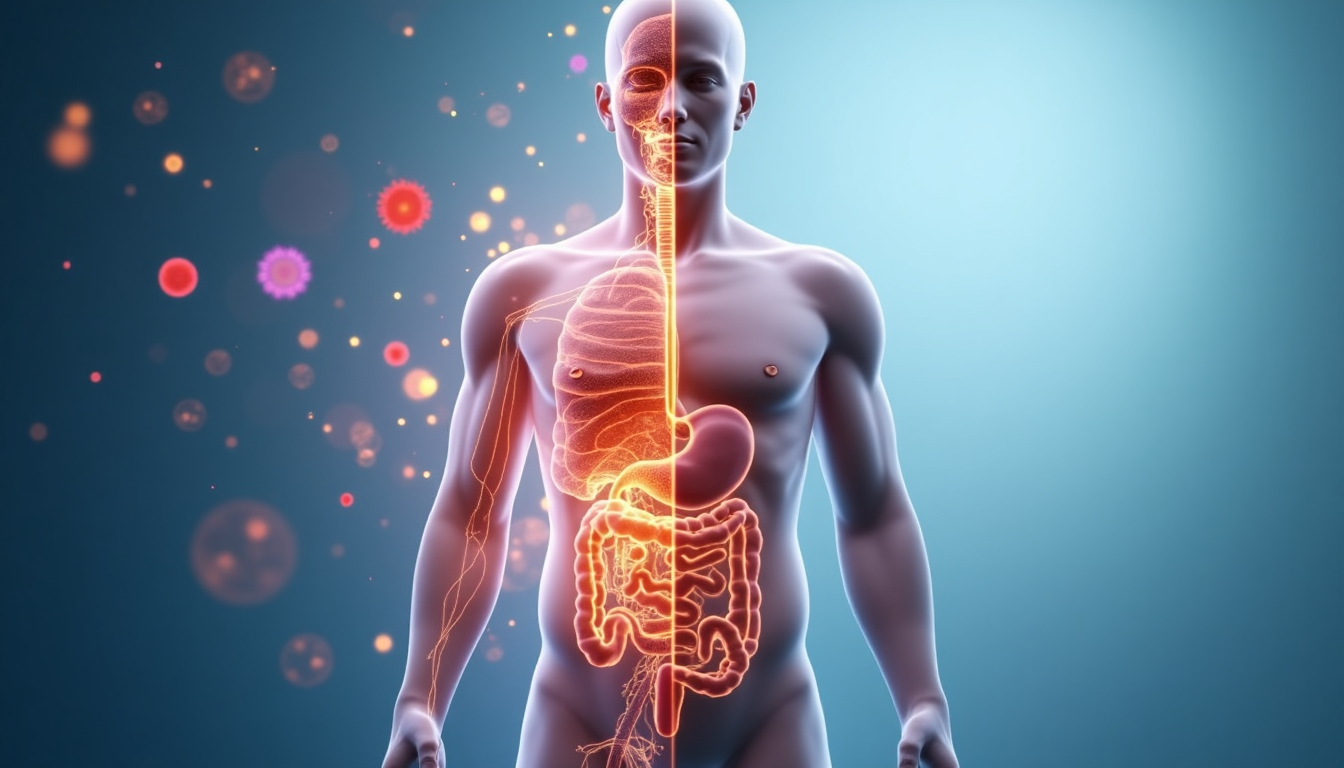
Many people experience symptoms that seem to come and go without an obvious explanation — headaches one week, digestive discomfort the next, flushing after a glass of wine, or for women – feeling unusually reactive around their menstrual cycle. Understandably, many wonder whether food allergies, stress, hormones, or something else entirely might be behind it. The answer may lie with histamine intolerance.
For some, the idea of
histamine intolerance provides a helpful framework. It isn’t a medical diagnosis and isn’t officially recognised as a standalone condition in many clinical settings. Instead, it’s a way of describing situations where the
body’s total histamine load feels higher than its ability to comfortably break it down.
Rather than being a simple “too much histamine” issue, it is usually a
multifactorial picture involving gut health, enzyme function, hormones, stress, and sometimes genetics. Understanding these influences can help people make sense of symptoms that otherwise feel random or disconnected.
This guide explores how histamine works, why symptoms can be so varied, the influence of gut bacteria and genetics, and how testing might offer personalised insight.
What Is Histamine?
Histamine is a natural compound the body relies on every day. It plays important roles in
(1):
-
- menstrual cycle regulation
-
- wakefulness and alertness
-
- aspects of mood regulation
The body produces histamine internally, and it’s also present in varying amounts in many foods.
To keep things in balance, the body uses key enzymes:
-
- DAO (diamine oxidase): active mainly in the gut to break down histamine from foods(1)
-
- HNMT (histamine-N-methyltransferase): works inside cells throughout the body(1)
Histamine-related symptoms may appear when the
balance between histamine and the enzymes that break it down becomes disrupted.
(2) This is different from a true allergy, which involves the immune system and IgE antibodies. Histamine sensitivity tends to be a
threshold issue — symptoms appear when the total load becomes higher than the body can handle at that moment.
This helps explain why someone may tolerate a food on one day but feel reactive to it on another; the body’s overall histamine environment can change based on multiple internal and external factors.
Why Histamine Intolerance Symptoms Get Missed or Misunderstood
Histamine intolerance can feel confusing because:
-
- The symptoms are broad and can resemble many other conditions.
-
- Reactions are often delayed or inconsistent, making patterns hard to identify.
-
- Medical testing does not yet offer a clear or validated diagnostic tool.
-
- Many conventional tests look for allergies — histamine sensitivity behaves differently.
People often explore histamine intolerance only after other possibilities have been considered.
Common and “Hidden” Symptoms Linked to Histamine Intolerance(2)
People may experience one or several of the following symptoms. These do not confirm histamine intolerance but they are common experiences among individuals who later discover histamine may play a role.
1. Headaches or migraines
Histamine naturally widens blood vessels, which can be a trigger for some individuals. Many people notice headaches around ovulation, after certain foods, or when under stress.
2. Flushing, redness or skin sensitivity
Some people notice:
-
- hives or warmth in the face or chest
Fluctuating histamine levels can influence how reactive the skin feels.
3. Digestive discomfort
Histamine is involved in stomach acid production, so shifts in histamine load may contribute to:
These can easily be mistaken for IBS or general food sensitivities.
4. Nasal or sinus congestion
Some people experience a “blocked nose” or sneezing that isn’t linked to clear allergens.
5. Hormone-related symptom fluctuations
Histamine interacts closely with oestrogen, which naturally changes across the menstrual cycle, explaining why some symptoms may arise at different times depending on the phase.
6. Feeling “wired”, restless or unable to settle
Histamine plays a role in alertness and wakefulness. When levels feel too high, sleep can become disrupted.
7. Temperature sensitivity or dizziness
Because histamine influences circulation, some people feel overly hot, overly cold, light-headed, or dizzy.
8. Mood changes
Histamine is also a neurotransmitter. Fluctuations may contribute to irritability, emotional sensitivity, or a sense of being “on edge”.
These symptoms can appear unrelated, but histamine acts throughout the whole body. When the total load rises, different systems can feel the effects.
What Affects Histamine Balance?
Histamine sensitivity is rarely caused by one single factor. More often, several influences overlap.
1. Gut Health and the Microbiome
The gut microbiome plays a particularly important role. Certain bacteria naturally
produce histamine, including species
(3):
-
- Some Lactobacillus species
Others help regulate or break it down.
If the microbiome becomes imbalanced (dysbiosis), this may alter how much histamine is produced or how well it is broken down.
Factors that can shift microbial balance include:
-
- diet low in plant diversity
-
- small intestinal bacterial overgrowth (SIBO)
Gut microbiome stool testing can offer helpful insight by identifying:
-
- histamine-producing bacteria
-
- overall microbial balance
-
- digestive enzyme function
-
- factors that may influence nutrient absorption
This doesn’t diagnose histamine intolerance but can highlight patterns relevant to overall histamine handling.
2. Genetics and Histamine Processing
Some individuals have natural genetic variations that affect how efficiently histamine-metabolising enzymes function. Variations in genes related to
DAO or
HNMT may influence enzyme activity.
(4)
Genetic testing can help clarify:
-
- how histamine is processed in your system
-
- which pathways might benefit from extra support
-
- why some individuals feel more reactive than others
-
- how stress, hormones, or environment might interact with genetics
Genetics explain
tendencies, not outcomes. But they can help people understand why their experiences differ from friends or family.
3. Hormones Across the Menstrual Cycle
Oestrogen naturally affects mast cells (which release histamine). It’s common for people to notice:
during ovulation or pre-menstrual phases.
Understanding these patterns can help people feel reassured that they are not imagining the fluctuations.
4. Stress and the Nervous System
Stress hormones, such as cortisol, can influence mast cells and digestive enzyme function. This may explain why symptoms feel stronger during periods of poor sleep, high pressure, or emotional intensity.
5. The Environment — Including Mold Exposure
Less commonly discussed but increasingly recognised is the impact of
mold (otherwise known as mycotoxin) exposure. Some mold species can release compounds (mycotoxins) that interact with the immune system or mast cells, potentially influencing histamine load for some individuals.
(5) Testing for mycotoxin exposure can be helpful to identify this often hidden aspect.
This does not mean mold directly causes histamine intolerance, but it can be one more factor contributing to reactivity in sensitive individuals.
Why Symptoms Can Feel “Random”
Histamine intolerance is often described as a
threshold condition. Your tolerance level can be influenced by:
-
- how much histamine is in your system today
-
- how stressed or rested you are
When the overall load passes your personal threshold, symptoms may appear — even if the triggering food or situation seemed harmless the day before.
This explains the frustrating inconsistency that many people report.
Can You Support Histamine Balance?
While medical treatment isn’t part of nutritional therapy, many people explore gentle, everyday strategies to support the systems involved in histamine processing.
Here are some general approaches individuals often find helpful:
1. Supporting Gut Health
-
- eating a varied, plant-rich diet
-
- adequate intake of nutrients needed for DAO production e.g., vitamin C, B6, copper and zinc
-
- including prebiotic fibres (as tolerated)
-
- exploring evidence-based live bacteria strains
-
- considering microbiome testing if digestion feels unpredictable
2. Identifying Personal Patterns
Food and symptom diaries can help highlight individual triggers or trends.
3. Supporting Basic Nutrient Needs
Nutrients involved in histamine metabolism include:
-
- B vitamins supporting methylation
4. Gentle Dietary Adjustments
A strict low-histamine diet isn’t usually necessary. Many people focus on:
-
- reducing high-histamine foods temporarily
-
- avoiding leftover meats and fish kept in the fridge
-
- introducing foods slowly to test tolerance
5. Stress and Sleep Support
Anything that calms the nervous system can help reduce histamine reactivity.
6. Considering Genetic, Microbiome, and Mycotoxin Insights
Some people find testing helpful to understand why their sensitivity is higher and which lifestyle changes may work best for them.
When Testing May Be Useful
Testing isn’t essential for everyone, but some people prefer having personalised information.
Lifecode Gx Histamine Profile Testing
This may help clarify:
-
- genetic variations in histamine-processing pathways
-
- tendencies toward higher histamine sensitivity
-
- how stress and environment might influence symptoms
Gut Microbiome Testing
May help uncover:
-
- microbial patterns that influence histamine load
-
- digestive or inflammatory markers
-
- nutrient absorption issues
-
- imbalanced gut bacteria that may be producing histamine
Environmental Mycotoxin Testing
Helpful to understand:
Testing doesn’t diagnose histamine intolerance, but it can give helpful insight and context, especially when symptoms are complex or longstanding.
At Smart Nutrition we provide superior
genetic, gut microbiome, and mycotoxin testing to help you uncover root causes that may be contributing to your health condition or symptoms that you suspect may be histamine-related. You can find out more about the tests using the links below:
Genetic Histamine Profile Test
Gut Microbiome Test
Environmental Mycotoxin Test
Final Thoughts: Understanding Your Body’s Histamine Threshold
Histamine intolerance isn’t a condition with a clear test or a single cause — and it’s not a sign that anything is “wrong.” It’s simply a way of describing what happens when the body’s histamine load becomes higher than its ability to comfortably process it.
For many people, understanding this connection is empowering. It explains why symptoms may shift with stress, hormones, gut health, diet, sleep, or occasional environmental exposures. And it helps people make sense of experiences that once felt random or confusing.
With the right information — and, for some, the insight provided by focused testing — many individuals find steady, sustainable, and empowering ways to support their histamine balance and feel more in control of their well-being.
FAQs
Q. What are some less obvious symptoms that may be linked to histamine sensitivity?
A. Histamine can affect many systems in the body, so symptoms aren’t always what people expect. Alongside more familiar reactions like flushing or digestive discomfort, some individuals notice dizziness, heart palpitations, feeling unusually anxious or “wired”, or difficulty regulating body temperature. Because these symptoms can appear across different systems, the connection to histamine isn’t always immediately recognised.
Q. Can nutrient status influence how the body handles histamine?
A. Yes. Certain nutrients play supportive roles in histamine metabolism, including vitamin C, B vitamins, and copper. These nutrients help enzymes involved in breaking down histamine work effectively. If intake or absorption is suboptimal, the body may find it harder to manage its overall histamine load.
Q. What do people mean when they talk about a ‘histamine dump’?
A. This informal term is often used to describe a sudden increase in histamine-related symptoms. People may experience rapid flushing, itching, a pounding heartbeat, headache, or feeling overheated. While uncomfortable, these episodes can help highlight patterns linked to food, stress, hormones, or other triggers.
Q. Why isn’t histamine sensitivity always recognised by healthcare professionals?
A. Histamine-related symptoms can overlap with many other conditions, and standard allergy tests are usually normal. Because reactions are often inconsistent and involve multiple systems, histamine sensitivity may not be immediately considered. Awareness is increasing, but it remains an area where research is still evolving.
Q. How quickly might symptoms improve once someone starts supporting histamine balance?
This varies from person to person. Some people notice small improvements within a few weeks of making dietary or lifestyle adjustments, while for others it can take longer. Progress often depends on underlying factors such as gut health, stress levels, hormones, and overall nutrient status, so a gradual, individualised approach tends to be most sustainable.
References:
1. https://www.ncbi.nlm.nih.gov/books/NBK557790/
2. https://pmc.ncbi.nlm.nih.gov/articles/PMC11054089/
3. https://pmc.ncbi.nlm.nih.gov/articles/PMC9102523/
4. https://pmc.ncbi.nlm.nih.gov/articles/PMC7463562/
5. https://pubmed.ncbi.nlm.nih.gov/30043558/