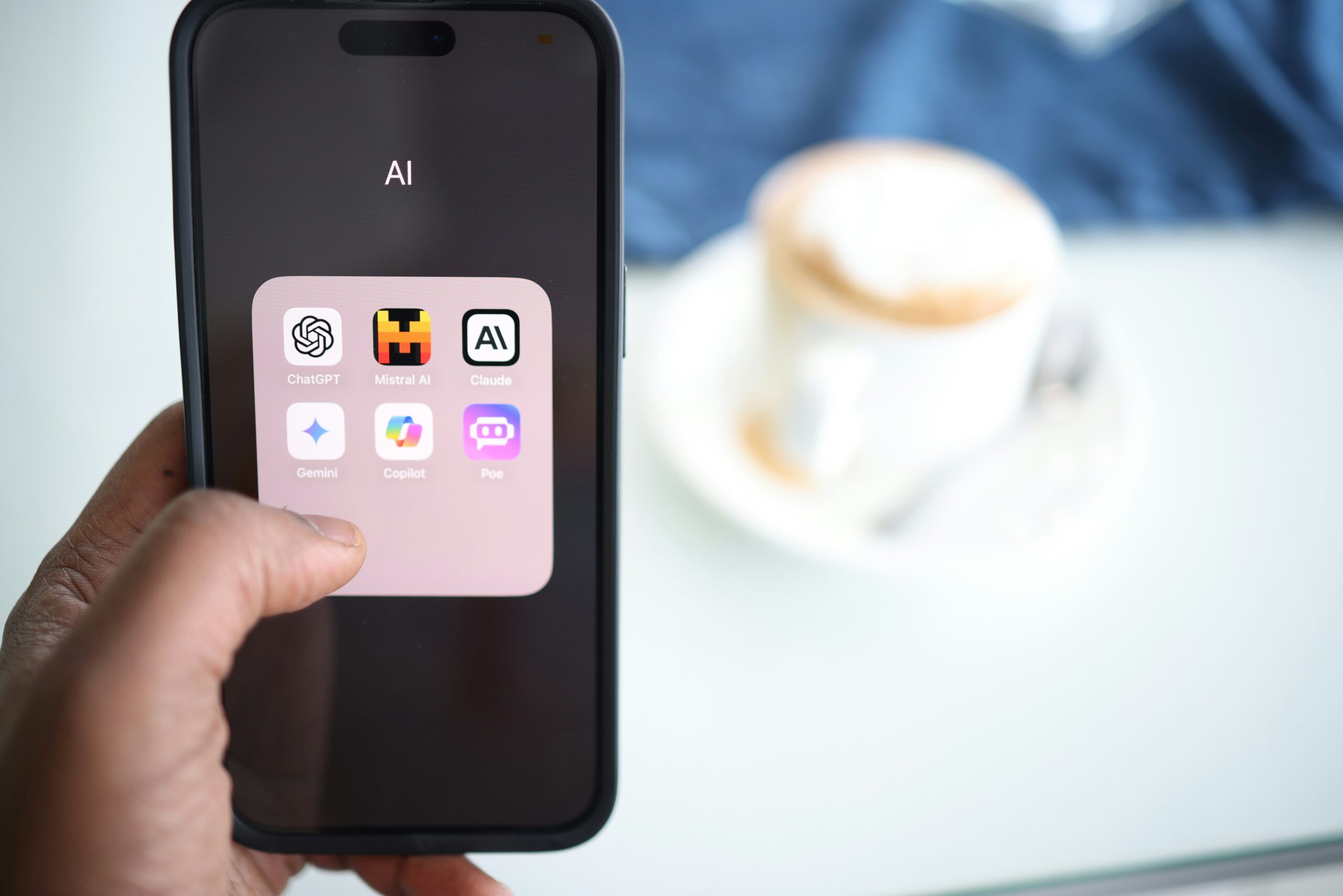
More people than ever are turning to AI for health advice.
From digestive symptoms to supplement protocols, tools like ChatGPT and other health chatbots are now being used by millions of people searching for guidance on nutrition, symptoms, and wellness strategies.
Estimates suggest more than 40 million people use AI chatbots for health-related questions every day, and surveys indicate that over one-third of UK adults have used AI tools to explore health concerns or understand symptoms.
The convenience is clear. AI can provide instant explanations, translate complex health information into plain English, and offer ideas to explore. But there’s an important question emerging for nutrition professionals:
How reliable is AI when it comes to personalised health advice?
At Smart Nutrition, we are increasingly seeing clients book discovery calls after receiving AI-generated interpretations of symptoms, diagnoses, or supplement protocols. While these tools can be useful starting points, they also raise important questions about accuracy, context, and safety.
This article explores the benefits of AI for health information, and the reasons it should be used with caution when it comes to personalised nutrition and health.
Why So Many People Are Turning to AI for Health Advice
The rise of AI health chatbots reflects a broader shift in how people access information.
Many people are now looking for quick answers to questions such as:
- “What could be causing my bloating?”
- “Do I have SIBO?”
- “What supplements should I take for gut health?”
- “Why am I always tired after meals?”
AI tools can respond instantly, offering explanations and possible causes within seconds. For people navigating confusing symptoms, this can feel empowering.
Research shows that people commonly use AI tools to:
- Understand symptoms
- Learn about possible conditions
- Interpret test results
- Explore treatment options
- Translate complex medical terminology
AI can also be helpful for improving health literacy — turning technical medical language into information that is easier to understand.
However, there is a significant difference between general information and personalised clinical guidance.
Where AI Health Advice Can Go Wrong
AI tools are designed to generate responses based on patterns in existing information. While this allows them to explain concepts quickly, it also means they lack the context and clinical judgement needed for personalised health decisions.
Recent evaluations of AI health tools highlight several potential risks.
Incomplete or inaccurate interpretations
Recent studies testing AI chatbots with clinical scenarios have found that they can misinterpret symptoms or suggest inappropriate next steps, particularly when important details are missing from the user’s question.
In real-life situations, people often leave out relevant information or ask incomplete questions, which can lead to misleading answers.
Confident answers that may be incorrect
AI systems are designed to provide clear and confident responses. However, confidence does not always equal accuracy.
Researchers have found that chatbots can occasionally generate explanations for conditions, mechanisms, or treatments that are incorrect or poorly supported, while presenting them in a convincing way.
One-size-fits-all supplement advice
One of the most common issues we see in nutrition practice is AI-generated supplement protocols.
For example, someone experiencing digestive symptoms may ask AI:
“What supplements should I take for SIBO?”
The resulting answer might include a long list of herbs, antimicrobials, probiotics, and dietary changes.
However, this type of recommendation often ignores key factors such as:
- the underlying cause of symptoms
- individual nutrient status
- medications and interactions
- hormone balance
- gut microbiome differences
- pre-existing health conditions
Without context, generic protocols may be ineffective, unnecessary, counterproductive, or at worst, harmful.
The Problem with Self-Diagnosing Digestive Conditions
Digestive symptoms are one of the most common reasons people turn to AI health tools.
Searches about bloating, IBS, food intolerances, and SIBO have surged in recent years, and AI chatbots are increasingly being used to interpret these symptoms.
However, digestive issues are rarely as straightforward as they appear online.
Symptoms such as:
- bloating
- abdominal discomfort
- irregular bowel habits
- fatigue after eating
- reflux or indigestion
can have multiple possible causes, including:
- gut microbiome imbalances
- food sensitivities
- stress and nervous system dysregulation
- hormonal changes
- nutrient deficiencies
- digestive enzyme insufficiency
- infections or overgrowths
- underlying serious conditions
Two people with identical symptoms may have completely different underlying drivers.
AI tools cannot assess this complexity, which is why self-diagnosis based on online information can sometimes lead people down the wrong path.
Nutrition is not simply about identifying symptoms and applying a standard protocol. A qualified practitioner considers multiple layers of information, including:
- full health history
- lifestyle factors
- dietary patterns
- stress levels
- medications
- hormone status
- digestive function
- laboratory testing where appropriate
This wider perspective helps to identify patterns and root causes that may not be obvious from symptoms alone.
For example, persistent fatigue and poor concentration might appear to be purely nutritional, but could also be influenced by:
- blood sugar regulation
- cortisol rhythm
- gut microbiome imbalances
- iron status
- methylation pathways
- sleep quality
AI tools cannot currently integrate these complex physiological systems in the same way a qualified practitioner can.
The Role of Functional Testing in Personalised Nutrition
One of the biggest limitations of AI-generated health advice is that it typically relies on symptom guessing rather than objective data.
In clinical nutrition practice, functional testing can provide deeper insight into what is actually happening within the body.
Examples may include tests that assess:
- gut microbiome balance
- digestive function
- hormone patterns
- nutrient status
- methylation pathways
These tests help practitioners move beyond speculation and develop targeted, personalised strategies rather than broad supplement recommendations.
For people experiencing persistent symptoms, testing can often reveal hidden drivers that generic online advice would never identify.
Can AI Still Be Useful for Health and Nutrition?
Despite these limitations, AI tools can still play a valuable role when used appropriately.
Many people find them helpful for:
- learning about health concepts
- understanding medical terminology
- exploring possible questions to ask practitioners
- summarising research or complex articles
- preparing for consultations
Used in this way, AI can be a powerful educational tool that supports better health conversations.
The key distinction is this:
AI can provide information — but it cannot replace personalised guidance.
A Balanced Approach to AI and Health Advice
AI technology is evolving rapidly and will likely become an increasingly useful resource in health education.
However, responsible use requires understanding its limitations.
When it comes to symptoms, supplement protocols, and personalised nutrition strategies, it is important to remember that:
- AI does not know your full health history
- it cannot assess physiological patterns
- it cannot interpret functional testing results in context
- and it cannot replace professional clinical judgement
For complex or ongoing symptoms, particularly digestive issues, working with a qualified practitioner ensures that advice is safe, personalised, and evidence-informed.
Supporting Your Health with Personalised Nutrition
At Smart Nutrition, we frequently speak with people who have already spent hours researching symptoms online or exploring AI-generated advice.
These tools can be a helpful starting point, but meaningful health progress often comes from combining information with personalised guidance and, where appropriate, functional testing. If you have been searching for answers to persistent symptoms, a personalised approach can often provide clarity that generic advice simply cannot.
FAQ
Q. Is it safe to follow nutrition advice generated by AI?
AI tools can provide useful information, but they do not assess your individual health history, nutrient status, medications, or test results. For personalised supplement protocols or ongoing symptoms, professional guidance is recommended.
Q. Can AI diagnose digestive conditions like SIBO or IBS?
No. AI tools can explain what these conditions are, but diagnosis requires clinical evaluation and, in some cases, appropriate testing.
AI responses depend heavily on the way questions are asked and the information available in their training data. This can lead to different answers depending on wording, missing context, or incomplete information.
Q. Is researching symptoms online a bad idea?
Not necessarily. Learning about your health can be empowering. However, online information should ideally be used as a starting point rather than a final diagnosis or treatment plan.
Q. When should I seek professional nutrition advice?
If symptoms are persistent, worsening, or affecting your daily life, working with a qualified practitioner can help identify underlying causes and create a personalised plan.
Resources
- https://www.nature.com/articles/s41591-026-04297-7
- https://www.ox.ac.uk/news/2026-02-10-new-study-warns-risks-ai-chatbots-giving-medical-advice
- https://www.bbc.co.uk/news/articles/c3093gjy2ero