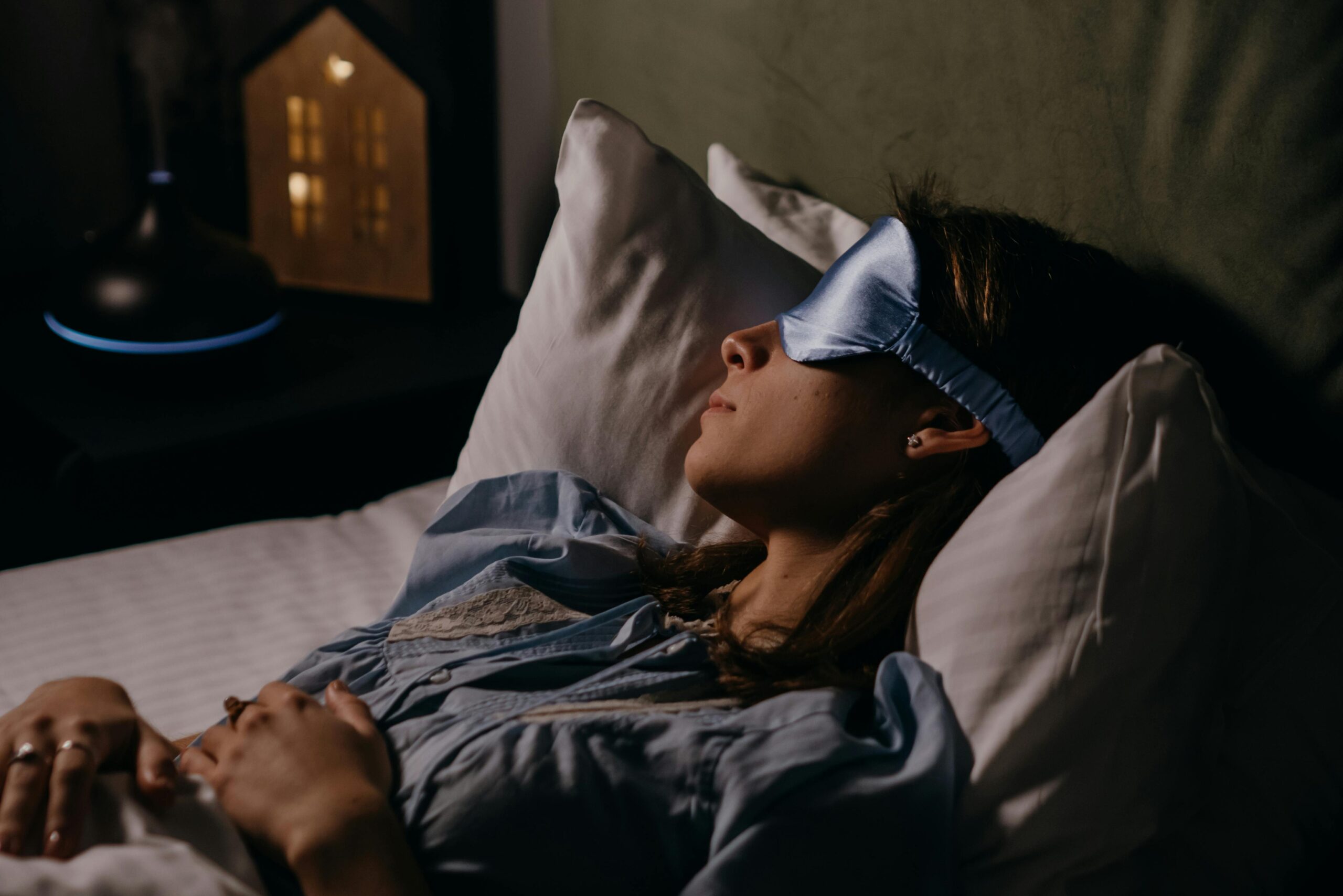
Hormone imbalance and sleep is often an overlooked relationship when considering sleep problems. Difficulty falling asleep, waking in the night, or feeling unrefreshed in the morning affects millions of people(1) — even those who “do everything right” when it comes to sleep hygiene.
While factors like caffeine, screen use and stress certainly play a role, they don’t tell the whole story. For many people, hormonal balance (or imbalance) is a missing piece of the sleep puzzle.(1) Sleep is not just a behavioural issue, it is tightly regulated by hormones that communicate with the brain and nervous system around the clock.
Understanding how hormones, including cortisol and progesterone, influence sleep can help explain why rest sometimes remains elusive, and why a more personalised approach by way of hormone testing can make a meaningful difference.
How Hormones Influence Sleep Quality
Sleep is controlled by a complex communication network of signals and hormones that help the body move between wakefulness, deep sleep and repair.(2) These dynamic processes are influenced by:
- Circadian rhythm (and related hormones such as cortisol and melatonin)
- Stress levels
- Blood sugar balance
- Nervous system activity
- Reproductive hormones
When these systems are working in harmony, sleep tends to feel effortless. When they are out of balance, sleep can become fragmented, shallow or unpredictable, even when lifestyle habits appear supportive.
Cortisol and Sleep: When the Stress Response Won’t Switch Off
Cortisol is often referred to as the “stress hormone”, but it plays a vital role in daily energy regulation. Under healthy conditions, cortisol follows a clear daily rhythm(3):
- Lowest levels at night to facilitate the onset towards sleep
- A gradual rise in the early morning to support waking and alertness, referred to as the Cortisol Awakening Response (CAR)
Problems arise when this rhythm becomes disrupted.
Elevated cortisol in the evening or night may contribute to(3):
- Difficulty falling asleep
- Night-time waking
- Early morning waking with racing thoughts
- The feeling of being “tired but wired”
Chronic stress, inflammation, blood sugar instability and poor recovery can all alter cortisol patterns, even if overall cortisol levels appear “normal” on standard tests.
Progesterone: A Calming Hormone for the Nervous System
Progesterone plays an important, and often overlooked role in sleep. It has a naturally calming effect on the brain and nervous system and supports deeper, more settled sleep.(1) Decreasing levels of progesterone, or imbalances, may therefore be a contributing factor to sleep disturbances as often experienced by women during perimenopause and post-menopause.
Changes in progesterone levels are commonly linked to:
- Difficulty staying asleep
- Increased night-time anxiety
- Restless or lighter sleep
These changes may occur:
- In the second half of the menstrual cycle
- During perimenopause and menopause
- During periods of chronic stress
Other Hormones That Can Affect Sleep
While cortisol and progesterone are key players, they are not acting alone. Sleep quality may also be influenced by:
- Oestrogen and testosterone fluctuations, which can affect temperature regulation and night waking
- Melatonin, the hormone that signals darkness and sleep onset
- Blood sugar regulation, which can trigger night-time cortisol release
- Thyroid hormone balance, which influences metabolic rate and nervous system tone
- Neurotransmitters, involved in intricate brain ‘excitability’ or ‘calmness’ signalling
This is why sleep issues often feel complex, and why addressing one factor in isolation doesn’t always bring lasting improvement.
Why Sleep Issues Are Often Hard to Pinpoint
Two people with similar sleep symptoms may have very different underlying hormone patterns. This is one reason sleep struggles are so often dismissed as “just stress” or attributed solely to lifestyle factors.
Traditional testing may also miss important information:
- Single blood tests provide only a snapshot
- Hormone rhythms change across the day
- Levels don’t always reflect hormone activity or balance
Understanding patterns, rather than isolated numbers, is often more informative when it comes to sleep and hormones.
How Comprehensive Hormone Testing Can Offer Clarity
This is where comprehensive hormone testing such as the DUTCH test (Dried Urine Test for Comprehensive Hormones) can be particularly helpful, as it assesses hormone patterns over time rather than relying on a single snapshot measurement.
It can provide insight into:
- Daily cortisol rhythm, including night-time levels
- Progesterone metabolites
- Oestrogen balance
- Melatonin markers related to sleep timing
For individuals experiencing ongoing sleep disruption, the DUTCH test can help identify whether cortisol rhythms, progesterone balance or other hormone imbalances may be contributing factors. DUTCH testing is not only insightful for women, it can also offer key insights for men, as testosterone levels may also be an important part of the picture, alongside cortisol and melatonin.(4)
Improving sleep is rarely about a quick fix. When hormones are involved, support is most effective when it is targeted and proportionate.
This may include:
- Supporting stress regulation and nervous system recovery
- Addressing nutrient needs involved in hormone metabolism
- Adjusting light exposure, meal timing and evening routines
- Reducing unnecessary pressure on systems that may already be under pressure
- Getting support from a health care professional or nutritionist
When hormone patterns are understood, support strategies can be prioritised more effectively, rather than relying on trial and error. Hormones such as cortisol and progesterone play a central role in sleep regulation, and imbalances can quietly disrupt rest long before they are recognised. Gaining clarity on these patterns can be empowering, offering reassurance, direction and a clearer path forward.
Struggling with sleep does not mean you are doing something wrong. In many cases, it is the body’s way of signalling that something needs attention. With the right insight, sleep support can shift from frustration to informed action, helping restore not just sleep, but overall resilience and wellbeing.
At Smart Nutrition, we offer evidence-based hormone testing to help uncover patterns that may be influencing sleep, stress resilience and overall wellbeing. By assessing cortisol rhythms, reproductive hormones and melatonin pathways, testing can provide valuable insight into the biological drivers behind persistent sleep issues — supporting a more personalised and informed approach to care.
Depending on individual needs, Smart Nutrition offers the following hormone testing options:
Choosing the most appropriate test depends on symptoms, goals and individual physiology, and guidance can help ensure testing is both relevant and meaningful.
FAQs
Q. Can hormone imbalances really cause sleep problems?
Yes. Cortisol, melatonin, and sex hormones all help regulate sleep–wake cycles. When these hormones are out of balance, sleep can become lighter, more fragmented, or difficult to initiate, even when sleep habits are otherwise good.
Q. Why do I feel tired but wired at night?
Feeling “tired but wired” is often linked to a disrupted cortisol rhythm, where stress hormones remain elevated later in the evening. This keeps the nervous system in a state of alertness, making it harder to relax and fall asleep.
Q. I’m waking around 3–4am or having night sweats — what could be causing this?
Early morning waking and night sweats are commonly associated with changes in cortisol and sex hormones. In women, fluctuations in oestrogen and progesterone can affect temperature regulation and sleep stability, while altered cortisol patterns may trigger alertness in the early hours for both women and men.
Q. I’m perimenopausal or menopausal — can this affect my sleep?
Yes. Sleep problems in perimenopause and menopause are very common. Hormonal fluctuations — particularly declining progesterone and variable oestrogen — can increase night waking, anxiety, hot flushes and reduced sleep quality, even in women who previously slept well.
Q. How can hormone testing help if my sleep issues come and go?
Hormones fluctuate throughout the day and across the menstrual cycle, which means single-point tests may miss important patterns. Comprehensive hormone testing that looks at daily cortisol rhythms and sex hormone balance can provide deeper insight into hormone-related sleep issues.
Q. If hormones are contributing to poor sleep, can this be supported naturally?
Often, yes. Once underlying imbalances are identified, personalised support may include targeted nutrition, stress regulation, lifestyle adjustments and — where appropriate — tailored supplementation. The focus is on supporting the body’s natural hormone rhythms rather than masking symptoms.
References:
- https://pmc.ncbi.nlm.nih.gov/articles/PMC10117379/
- https://journals.sagepub.com/doi/10.3233/JHD-230564
- https://doi.org/10.1016/j.sleep.2014.09.003
- https://pmc.ncbi.nlm.nih.gov/articles/PMC3955336/