Jamie Oliver is at the forefront of changing the way people think about their food, what it contains and where it comes from and the huge impact it has on people health. Jamie recently chatted to health about his involment “Food is personal. What we choose to eat or feed our families every day is the most personal choice we can make. Next to the mortgage, the food bill is going to be a large investment. When I started looking at school dinners I was disgusted by what I saw: Turkey Twizzlers, no real food or cooking, just processed crap and reheating. And the more people I talked to — teachers, school cooks, students — I realized how much they wanted to change the system and return to cooking and eating real food. I also saw many studies that showed the correlation between the rise of obesity and type 2 diabetes with the increase in processed food. So I wanted to try and figure it all out, and the best way I know how to do that is film it and give people watching TV more knowledge so they can make different choices. It’s sort of grown from England to America and around the world”

When AI Gives You Health Advice: Is the advice reliable? A Helpful Tool or Hidden Risk?
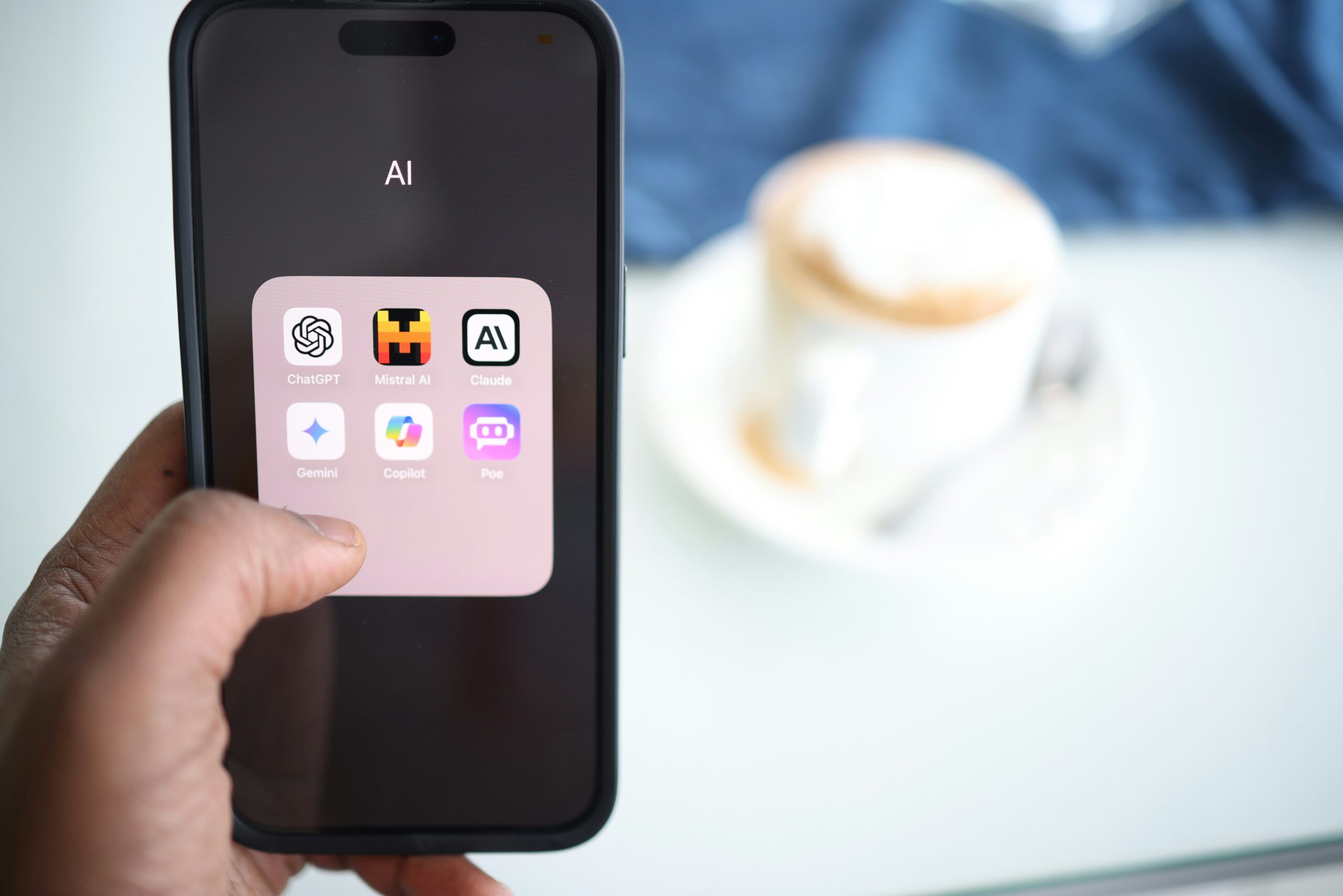
More people than ever are turning to AI tools for health advice — from interpreting symptoms to exploring supplement options. While AI chatbots can be a helpful starting point, they cannot assess your individual health history, medications, or test results. So where does AI end and professional guidance begin? This article explores the benefits of AI in health, and why personalised decisions still need a human expert behind them.